
Floors That Start With the Subfloor
Flooring installation in Raleigh for homes where subfloor condition, transitions, and material selection affect whether the finished floor will hold
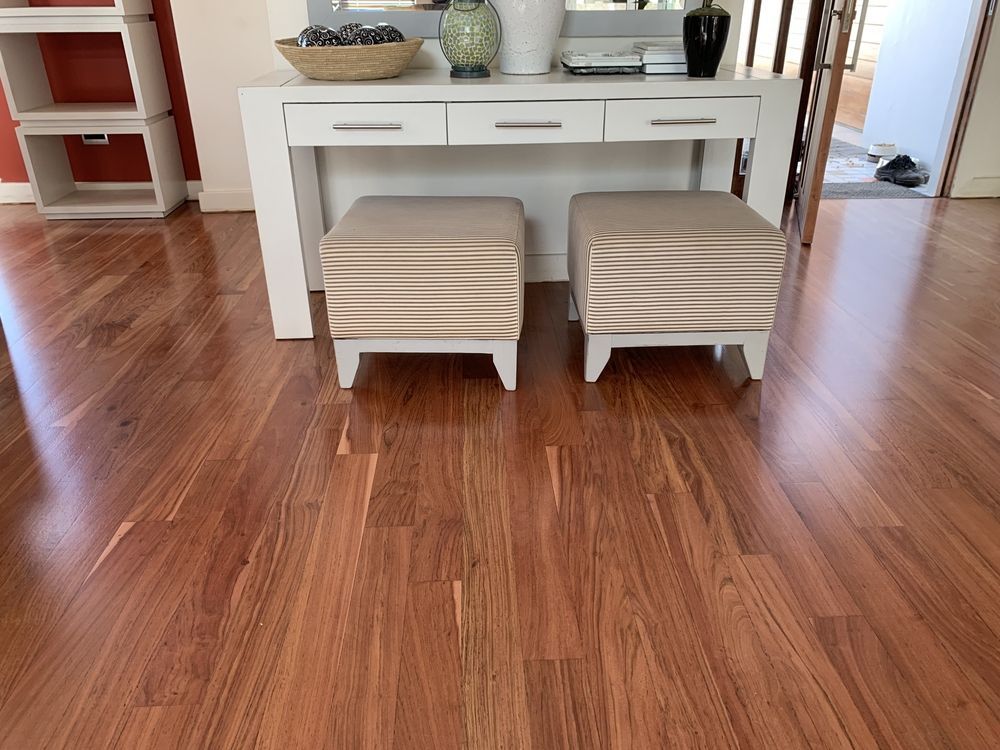
Many Raleigh-area homes, particularly fixer-uppers and older houses in established neighborhoods, have original hardwood beneath layers of carpet that was laid over it during a renovation decades ago. What lies underneath that carpet determines whether the new floor install is straightforward or requires structural prep work first. 99 Service Solutions installs solid hardwood, luxury vinyl plank, and carpet in Raleigh, and every install begins with removing the existing floor and inspecting the subfloor for flatness and damage before any new material goes down.
The subfloor inspection is not optional prep work — it is what determines whether the new floor will lie flat and stay flat. High spots cause LVP planks to flex and click at the joints. Soft spots or loose boards under hardwood telegraph through the finished surface and create squeaks. The crew checks flatness across the entire field, addresses problem areas before installation begins, and includes transitions to adjoining rooms and thresholds as part of the install rather than as an add-on.
Arrange a walkthrough to have the existing floor and subfloor assessed before selecting a flooring material for your Raleigh home.
What the Installation Process Actually Involves
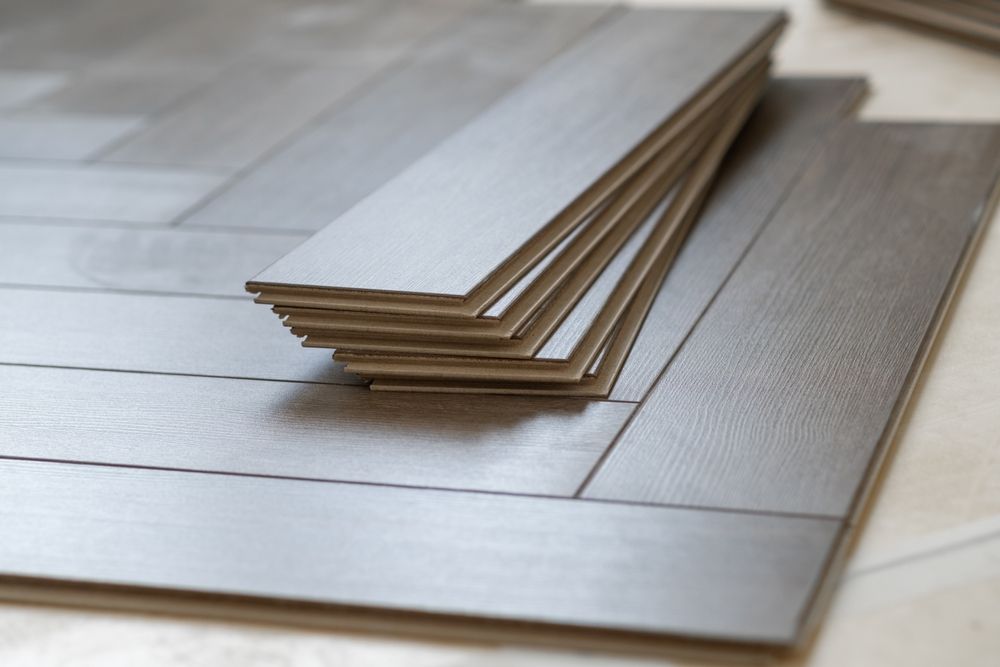
Once the subfloor is confirmed flat and structurally sound, the install sequence depends on the material selected. Solid hardwood requires acclimation time in the space before installation and is nailed or stapled to a wood subfloor, which means concrete slabs change the approach. LVP floats over the subfloor and tolerates minor imperfections better than hardwood, but still requires a flat base within the tolerance specified by the manufacturer. A crew typically completes one to two floors a day on solid hardwood or LVP work, which gives homeowners a realistic timeline for planning around the installation.
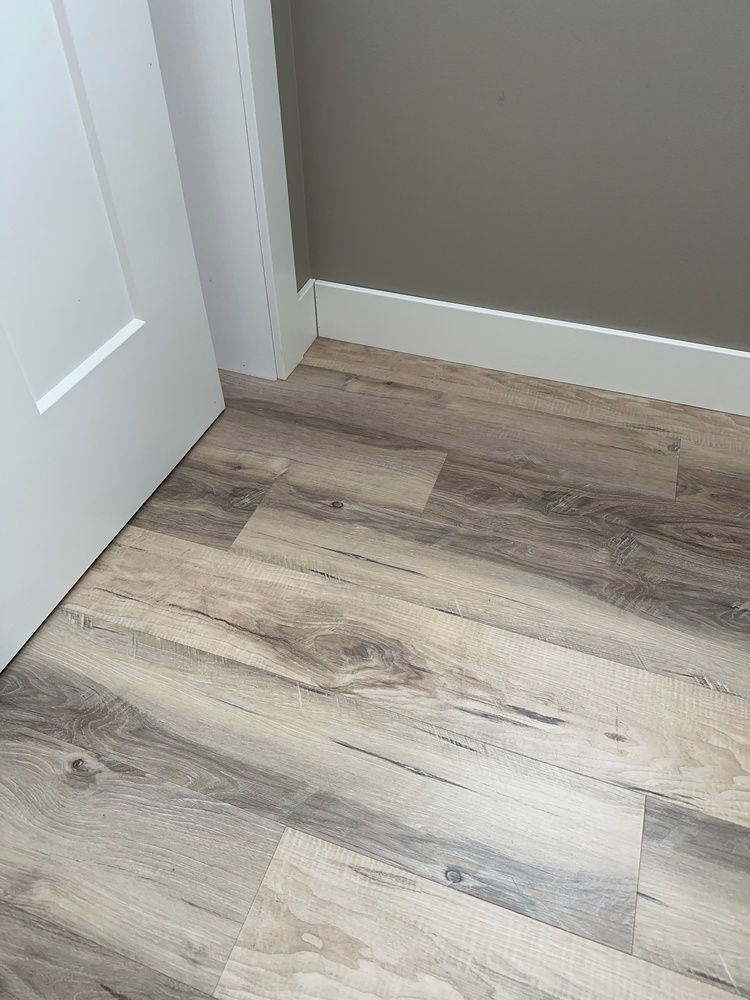
After installation is finished, the observable differences are consistent: seams between planks align without gaps or cupping, transitions at doorways sit flush with both surfaces they connect, and the floor does not flex underfoot at any point across the room. In Triangle homes where the original hardwood is salvageable beneath the carpet, the decision to restore it rather than cover it changes the scope — and that assessment happens at the subfloor inspection stage, not after new material has been ordered.
Material selection — hardwood species and finish, LVP thickness and wear layer, or carpet fiber and pad weight — affects how the floor performs in the specific room it is going into, and those decisions are made before installation is scheduled. Rooms with higher foot traffic, pet activity, or moisture exposure are assessed differently from bedrooms, and the material recommendation follows from that evaluation.
Common Questions About the Flooring Install
Homeowners in Raleigh frequently ask these questions when planning a flooring project, particularly in older homes where the existing floor condition is unknown until the carpet or vinyl is removed.
How does the subfloor inspection change what happens next?
If the subfloor is flat and structurally sound, installation proceeds on schedule. If there are high spots, soft areas, or damaged boards, those are addressed first, because skipping this step causes the new floor to fail at those exact locations regardless of material quality.
What happens when original hardwood is found under the carpet in a Raleigh home?
The condition of the existing hardwood determines whether it can be refinished rather than replaced. If the boards are thick enough, structurally intact, and not cupped or severely stained, refinishing is a viable option that restores the original surface rather than covering it.
How are transitions between different flooring types handled at doorways?
Transitions and thresholds are included in the install and are selected to match the height difference between the two surfaces being joined. A flush transition between LVP and hardwood requires a different profile than a T-molding between two surfaces of equal height.
Why does solid hardwood installation require the material to acclimate in the space?
Wood expands and contracts in response to the moisture content of the air in the room where it will be installed. Installing hardwood before it has acclimated means the boards may expand after installation and buckle, or contract and open gaps — both of which are installation failures, not material defects.
What should you look for in a finished hardwood or LVP floor to confirm it was installed correctly?
Walk the entire floor and check for planks that flex, click, or rock underfoot. Inspect seams at the most trafficked areas and confirm that transition pieces are secured and flush. Any soft or hollow sound underfoot in an LVP floor indicates a subfloor issue that was not addressed before installation.
99 Service Solutions also installs flooring in Durham, Chapel Hill, Cary, Wake Forest, and Garner. To move forward with a flooring project, set up a site visit so the existing floor and subfloor can be evaluated before any material is selected or ordered.